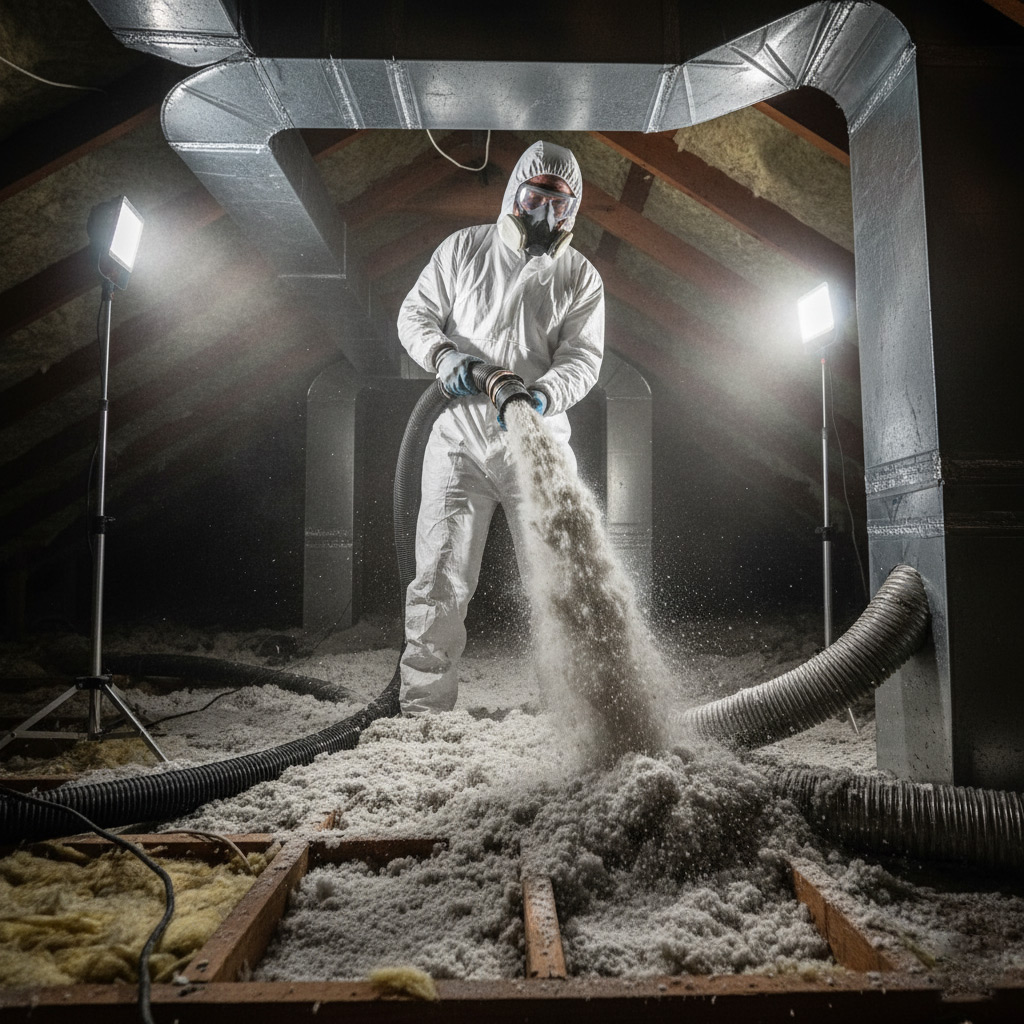
Ever wonder why the guy down the street swears his AC runs like a champ even when the desert hits 110 degrees, while yours sounds like a dying lawn mower?
North Las Vegas locals have been swapping low‑key hacks for years—stuff that big‑box repair shops never mention because it keeps you coming back for pricey service calls.
In this post we’ll pull back the curtain on the exact steps they take to spot a failing unit before it blows a fuse, how to squeeze every ounce of cooling out of an aging system, and the cheap tools that make a world of difference.
Stick around, and you’ll walk away with the kind of know‑how that turns a dreaded repair bill into a simple, predictable fix.

How to Diagnose Common AC Problems Before Calling a Pro
First thing’s first: turn the thermostat up a notch and listen. If the unit hums but never kicks on, you’re probably looking at a tripped breaker or a blown fuse. Don’t panic—a quick reset can save you a callout fee.
Check the Basics
- Thermostat settings: Make sure it’s set to “cool” and the temperature is lower than the room.
- Air filter: A clogged filter chokes airflow and makes the motor work overtime.
- Outdoor unit: Clear debris, leaves, and dust from the condenser coils.
Once those three are cleared, power the system back on. If you still hear a rattling or the air feels weak, you’ve moved past the easy fixes.
Spot the Red Flags
- Ice forming on the evaporator coil – indicates low refrigerant or airflow blockage.
- Foul odors – could be mold, a dead animal, or a refrigerant leak.
- Frequent short‑cycling – the compressor is turning on and off too quickly, often a sign of low charge.
When any of these show up, note the symptom and the time it started. That snapshot will give a licensed tech a head start and keep the bill from ballooning.
The “Three‑Check” Routine Every North Las Vegas Homeowner Swears By
Check #1 – Power & Thermostat
First thing, make sure the unit is actually getting juice. Flip the breaker, listen for a click, then verify the thermostat reads 78°F (or whatever you set).
- Breaker off? Reset it.
- Thermostat set to “Cool” and fan on “Auto”.
- Replace batteries if the display is dim.
Check #2 – Airflow
Next, feel the breeze from each vent. If it’s weak, the culprit is usually a clogged filter or a closed register.
- Pull the filter; if it’s darker than a midnight sky, swap it.
- Open any closed vents—especially the ones near the kitchen.
- Give the return grille a quick vacuum.
Check #3 – Condenser Cleanliness
Finally, step outside and give the outdoor coil a once‑over. A thin layer of dust can turn a 15‑ton beast into a sputtering fan.
- Turn off power at the disconnect.
- Use a garden hose (no pressure washer) to rinse the fins.
- Brush away debris with a soft brush; straighten bent fins with a fin comb.
Simple Maintenance Hacks to Boost Efficiency on a Desert‑Hot Day
Coil & Filter TLC
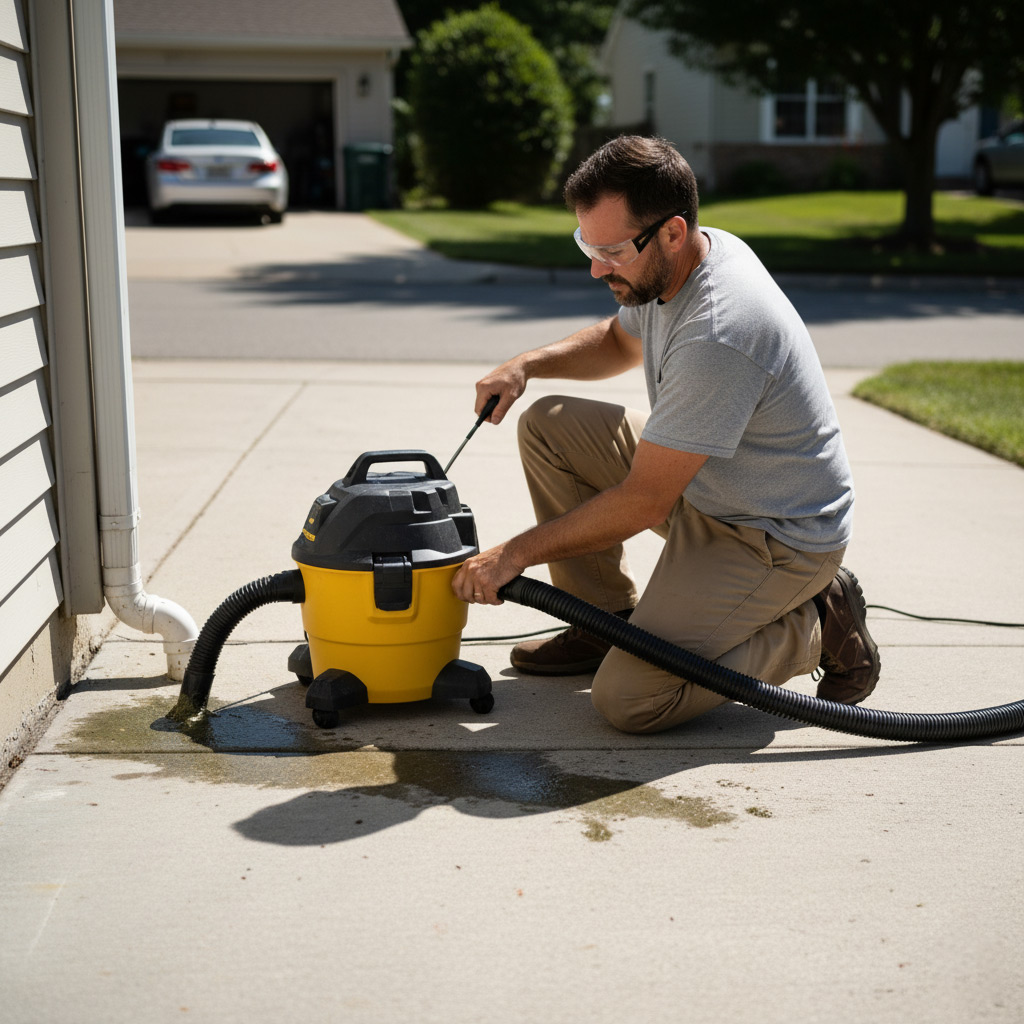
Dusty coils are the silent killers of any AC in North Las Vegas. Give them a quick spray with a garden hose—no pressure needed—then wipe away the grime with a soft brush.
Next, swap the filter every 30 days during summer. A clean filter lets air flow like a highway, not a back‑road.
- Tip: Keep a spare 1‑inch pleated filter in the garage; you’ll thank yourself when the next heat wave hits.
- Pro move: Slip a thin piece of aluminum foil over the filter frame; it catches extra dust and lasts longer.
Thermostat Tricks & Duct Sealing
Place the thermostat away from direct sunlight and kitchen heat. A wall that stays cool all day gives the unit a fair chance to work.
Seal any squeaky ducts with foil‑backed tape. Even a tiny leak can waste enough cool air to make your electric bill scream.
- Quick fix: Use a handheld smoke pen to locate drafts—watch the smoke swirl, then tape it up.
- Bonus: Close vents in unused rooms; the system focuses on the spaces you actually occupy.
Shade, Film, and Night‑Flush
Throw a reflective sun‑shade on the outdoor condenser. It cuts the unit’s workload by up to 15 % when the sun beats down.
Apply a low‑E window film to the biggest windows. It blocks heat while still letting light in, keeping indoor temps lower.
At night, turn the fan to “on” and open a window. The cooler desert air flushes out heat that built up during the day, so the next morning’s start‑up is smoother.
Low‑Cost Tools and Parts That Can Save You Hundreds on Repairs
Must‑Have Hand Tools
Every North Las Vegas homeowner should keep a basic screwdriver set in the garage. A Phillips and flat‑head combo lets you pop panels without calling a pro.
Grab a digital multimeter for under $30. It tells you if the capacitor is dead or the thermostat is lying.
- Adjustable wrench – tightens loose fittings in a snap.
- Fin cleaning brush – clears dust from coils, cuts runtime.
- Thermostat probe – checks actual room temp vs. set point.
Parts That Pay for Themselves
Replace the air filter every 30‑45 days. A $10 pleated filter can shave 5‑10% off your electric bill.
Capacitors are cheap, usually $8‑$12, and a failing one makes the fan hum like a dying motor. Swap it yourself and avoid a $300 service call.
- Thermostat batteries – $5 for a pack, keeps the unit from rebooting.
- Refrigerant leak sealant – a tube costs $15, can seal tiny pinholes.
- Silicone coil seal – $7 tube, stops moisture from corroding fins.
Where to Score the Deals
Check local hardware chains for “clearance” aisles; they rotate stock weekly. You’ll find multimeters and wrenches at rock‑bottom prices.
Online marketplaces like eBay often list “open‑box” HVAC parts for a fraction of retail. Just verify the model number before you buy.
- Home improvement stores – ask for “floor‑model” discounts.
- Neighborhood swap groups – neighbors trade spare parts.
- Seasonal sales – summer clearance means lower prices on fans and coils.
When to DIY vs. When to Call a Licensed Technician (and Why)
Know Your Limits
Simple stuff like swapping a dirty filter or tightening a loose vent screw is safe for anyone with a screwdriver.
These quick wins keep the system breathing and cost you pennies.
- Clean or replace the air filter every 30‑45 days.
- Check the thermostat batteries; a fresh AA often restores proper cycling.
- Inspect the outdoor unit for debris; a garden rake does the trick.
When to Call the Pros
If the unit won’t start, makes a humming noise, or leaks water, it’s time to dial a licensed tech.
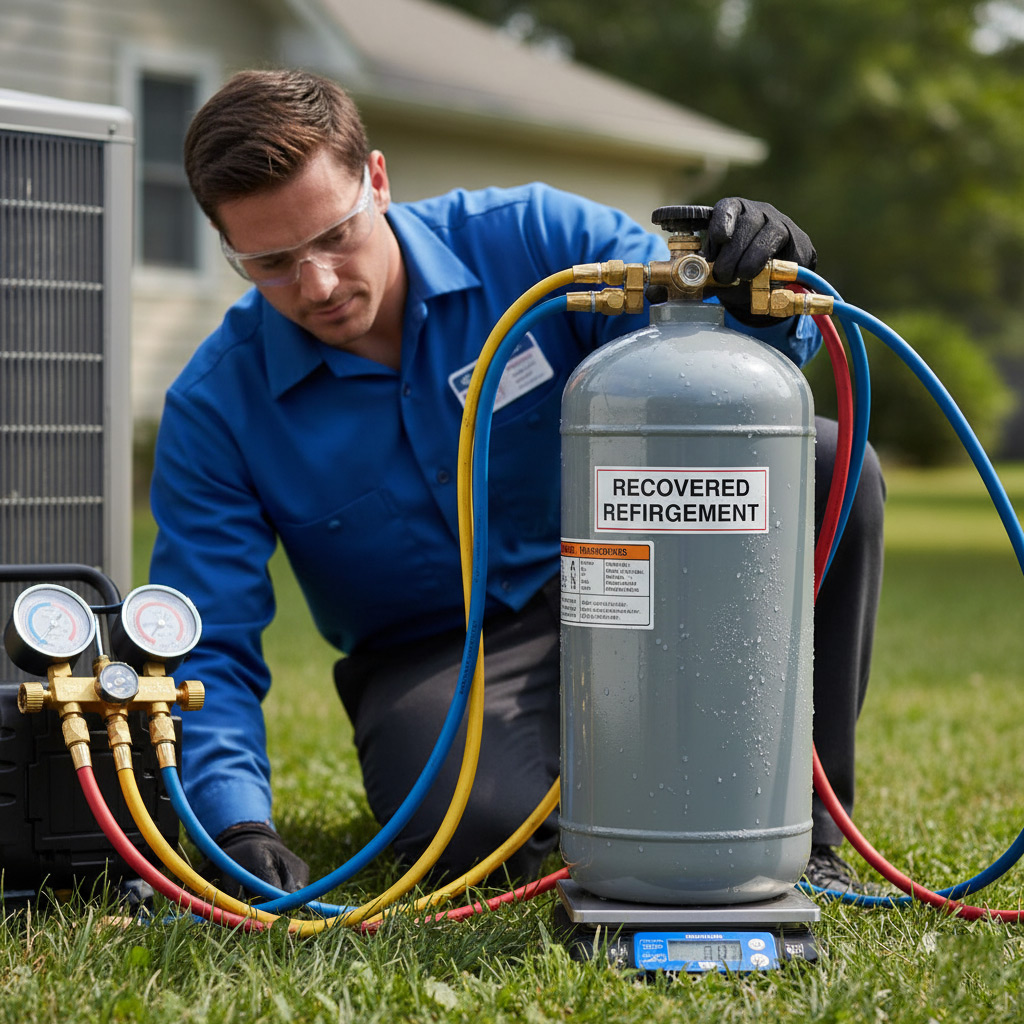
These signs point to electrical, refrigerant, or compressor issues that require certified tools and insurance.
- Electrical faults – tripped breakers, burnt wires, or sparking.
- Refrigerant leaks – only a certified pro can legally handle R‑410A.
- Compressor failures – replacing this part without a license can void the warranty.
The Bottom Line
DIY saves cash, but a misstep can cost you hundreds in damage or a busted warranty.
When in doubt, trust a licensed technician; they know the code, the safety rules, and the shortcuts that keep your AC humming through the desert heat.
Case Study: Turning a Failing 10‑Year‑Old Unit into a Reliable Cool‑Zone for a North Las Vegas Family
When the Martinez family called, their 10‑year‑old split‑system was coughing, freezing the bedroom and sweating in the living room. The thermostat flickered between 68°F and 85°F, and the electric bill was climbing like a desert mirage. I walked in, took a quick look, and knew the fix was less about a brand‑new unit and more about smart tweaks.
What We Did First
We ran the “Three‑Check” routine, then added a few targeted moves that any savvy homeowner can copy.
- Cleaned the evaporator coil with a soft brush and a coil‑clean spray – dust was choking airflow.
- Replaced the worn‑out fan belt; the old one had stretched to a sad limp.
- Installed a programmable thermostat set to 78°F when nobody’s home – saved a chunk of power.
Next, we sealed the duct leaks with foil‑tape and a quick‑set mastic. The air pressure bounced back, and the unit stopped hunting for a balance point. Finally, we topped off the refrigerant after a leak test showed a tiny pinhole that a simple solder patch fixed.
The results? The Martinez home now runs 30% cooler on the hottest July days, and the electric bill dropped by $120 a month. The family says the AC sounds like a whisper, not a dying mower. All it took was a few tools, a bit of elbow grease, and the right know‑how.
Final Words
Keep the three‑check routine on your fridge door and you’ll spot trouble before it turns your living room into a sauna. A quick visual, a tap of the thermostat, and a listen to the fan can save you a call‑out that costs more than a weekend dinner.
What to Do Next
When you’ve run through the basics and the unit still sputters, it’s time to bring in the pros. Our team knows the desert‑heat quirks that make a difference, from hidden coil leaks to clogged condensate drains. Check out our AC repair services that keep the system humming.
People Also Ask
What are the first signs that my AC needs repair in North Las Vegas?
A weak airflow, unusual noises, and the unit not reaching the thermostat setting are the most common early warnings. In desert heat, these symptoms can quickly turn into a full breakdown if not addressed promptly.How can I perform the “Three‑Check” routine before calling a technician?
First, verify the thermostat settings and replace the batteries if needed. Second, inspect the outdoor condenser for debris and clear any blockages. Third, check the indoor air filter and replace it if it’s dirty or clogged.Which low‑cost tools help homeowners troubleshoot AC issues?
A digital multimeter, a coil cleaning spray, and a basic set of screwdrivers are essential and inexpensive. These tools let you test voltage, clean coils, and tighten loose connections without professional help.When is it safe to DIY an AC repair versus hiring a licensed pro?
Simple tasks like filter changes, coil cleaning, and resetting circuit breakers are safe for DIY. Anything involving refrigerant, electrical components, or major part replacements should be left to a licensed technician to avoid safety hazards and code violations.Can a 10‑year‑old air conditioner be revived without a full replacement?
Yes, many older units can regain reliability with targeted repairs such as cleaning the evaporator coil, sealing refrigerant leaks, and upgrading the thermostat. Proper maintenance and selective part replacements often extend the life of a unit by several years.
North Las Vegas HVAC brings over 15 years of certified expertise to homes and businesses throughout North Las Vegas. Their team of licensed technicians delivers reliable heating, cooling, and indoor air quality solutions tailored to the local climate. Committed to prompt, professional service, they prioritize the comfort and safety of the community.
Need HVAC?
We deliver rapid, results‑focused solutions that keep your home or business running smoothly in North Las Vegas (89030, 89031, 89032, 89081, 89084) and nearby areas. Our team prioritizes speed and quality so you can move forward without delay.
Request a fast quote