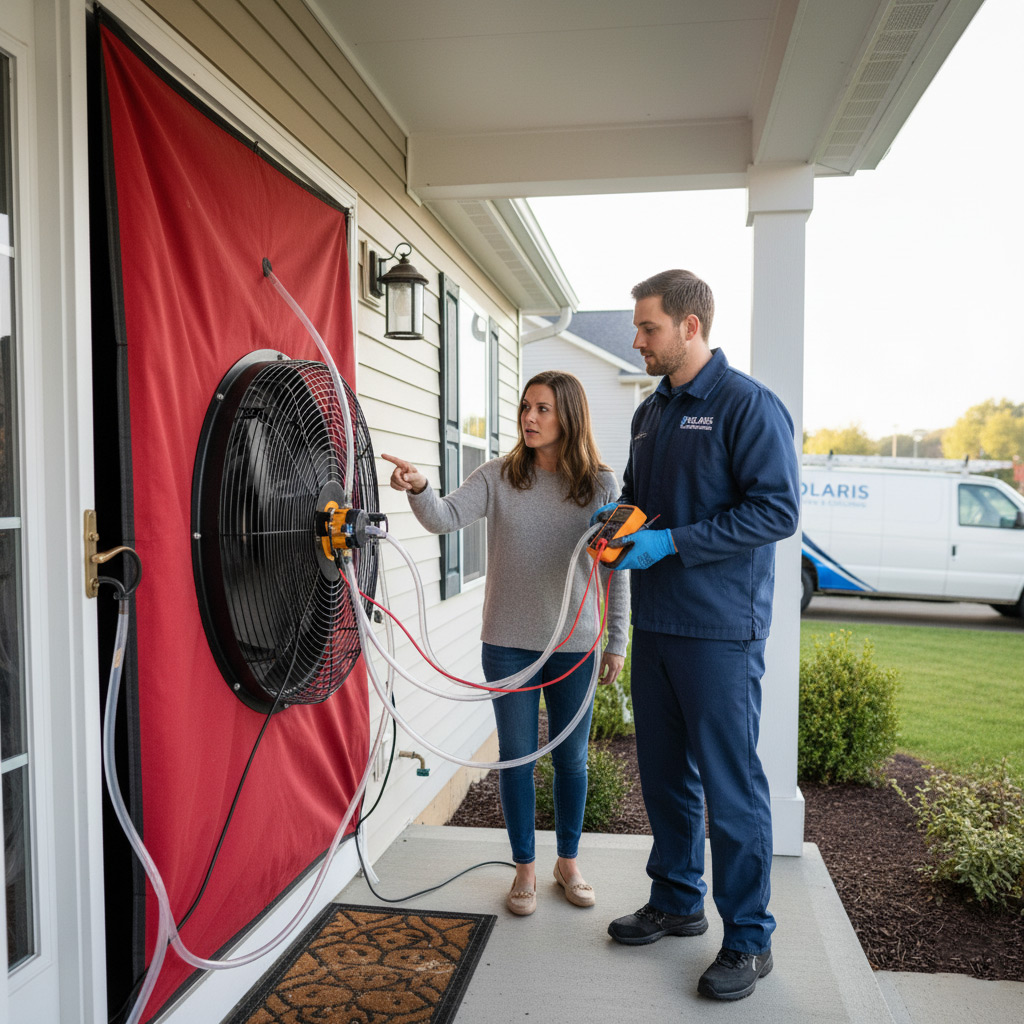
If your furnace starts rattling like a busted soda can, you’re probably already on the brink of a costly repair. Most homeowners in North Las Vegas think a quick DIY fix will save them money, but that gamble often ends up costing twice as much.
From ignoring the little warning signs to using the wrong replacement parts, the mistakes pile up faster than desert sand in a windstorm. The truth is, a single misstep can turn a simple tune‑up into a full‑blown emergency.
Living in the desert means your heating system works harder during those chilly winter nights, and the stakes are higher when you get it wrong. Knowing the local quirks—like the sudden temperature drops after a desert rain—can be the difference between staying warm and watching your wallet melt.
Stick around, and you’ll learn the exact pitfalls to dodge so your furnace runs smooth, your bills stay low, and you never have to scramble for a last‑minute fix.
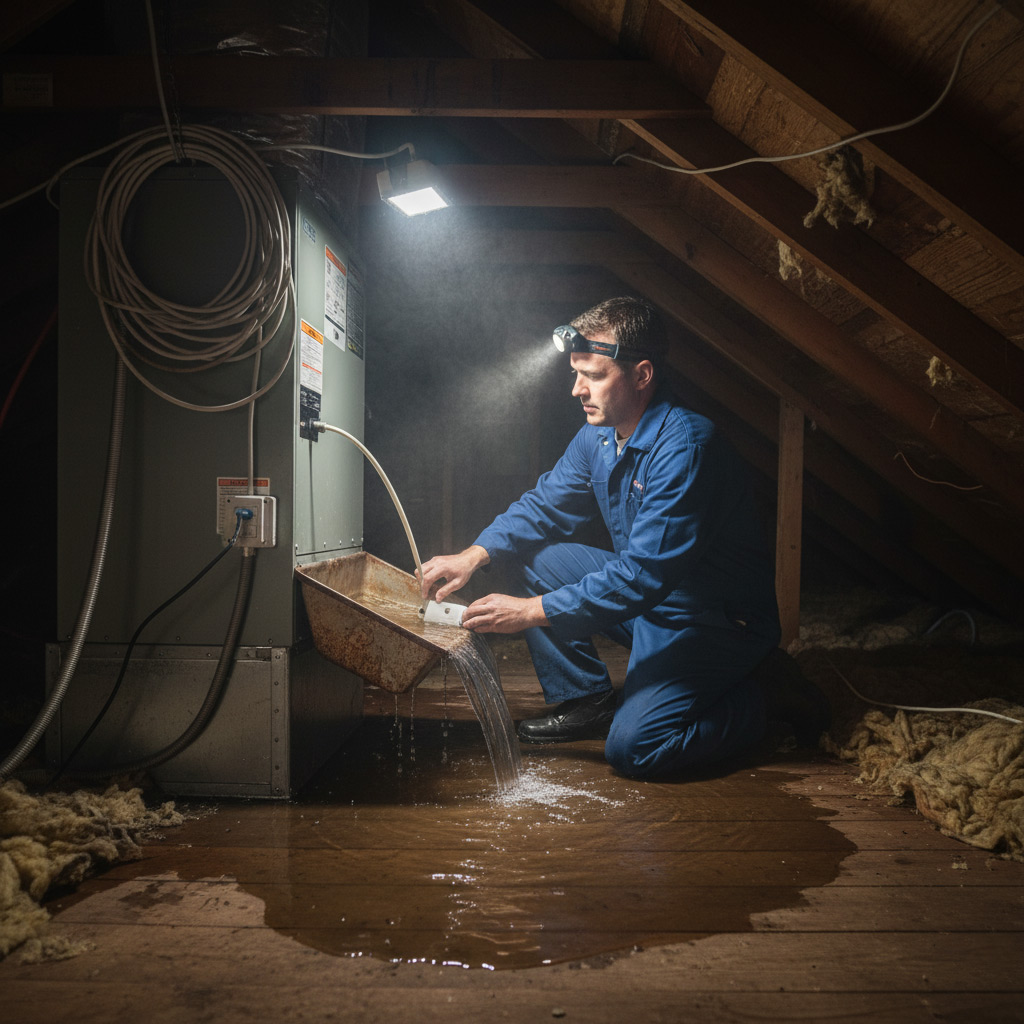
Common DIY Fixes That Cost More Than They Save
The Temptation of Quick Fixes
When the furnace sputters, the first instinct is to grab a screwdriver and a YouTube tutorial. Homeowners often think a simple filter swap or a “tighten this bolt” job will keep the heat humming.
Typical DIY moves in North Las Vegas include:
- Cleaning the blower motor with a vacuum instead of a proper brush.
- Re‑wiring the thermostat without checking voltage.
- Using duct tape to seal leaky vents.
- Pouring antifreeze into the heat exchanger as a “quick coolant.”
Why Those Fixes Bite Back
What looks like a time‑saver often turns into a wallet‑drainer. A mis‑aligned blower can overheat the furnace, forcing the heat exchanger to crack.
Consequences you’ll pay for later:
- Voided warranty – manufacturers see unauthorized tinkering as a breach.
- Increased energy bills – a clogged motor works harder, burning more electricity.
- Premature component failure – cheap parts don’t survive the desert’s temperature swings.
- Safety hazards – improper wiring can spark a fire.
When to Call the Pros
If you notice any of these red flags, stop the DIY and pick up the phone.
- Furnace makes grinding or squealing noises.
- Thermostat displays erratic temperature swings.
- Unusual odors – burning plastic or gas smell.
- Repeated short‑cycling after a “fix.”
Ignoring Early Warning Signs: How Small Issues Escalate
When your furnace starts making a high‑pitched squeal or the thermostat lags a few minutes behind the temperature change, those are not just annoyances—they’re the system’s SOS. Leaving those clues unchecked lets wear and tear snowball into a cracked heat exchanger or a blown motor, and in the desert chill that can mean a night without heat.
Red Flags You Can’t Afford to Miss
- Uneven rooms: One side of the house stays toasty while the other feels like a freezer.
- Frequent cycling: The furnace turns on and off every few minutes.
- Dusty filter that never seems to clear.
- Unusual odors—especially a faint smell of gas.
Each of those symptoms is a tiny crack in the system’s armor. Address them now and you’ll likely avoid a $2,000‑plus repair bill later. Ignoring a clogged filter, for example, forces the blower to work harder, which can overheat the motor and fry the control board.
In North Las Vegas the temperature swing after a desert rain can be brutal. A furnace that’s already struggling will seize up just when you need it most, leaving you scrambling for a temporary heater and a hefty service call. Spot the warning signs early, and you keep the heat on and the wallet intact.
Using the Wrong Parts or Materials in Desert Climate
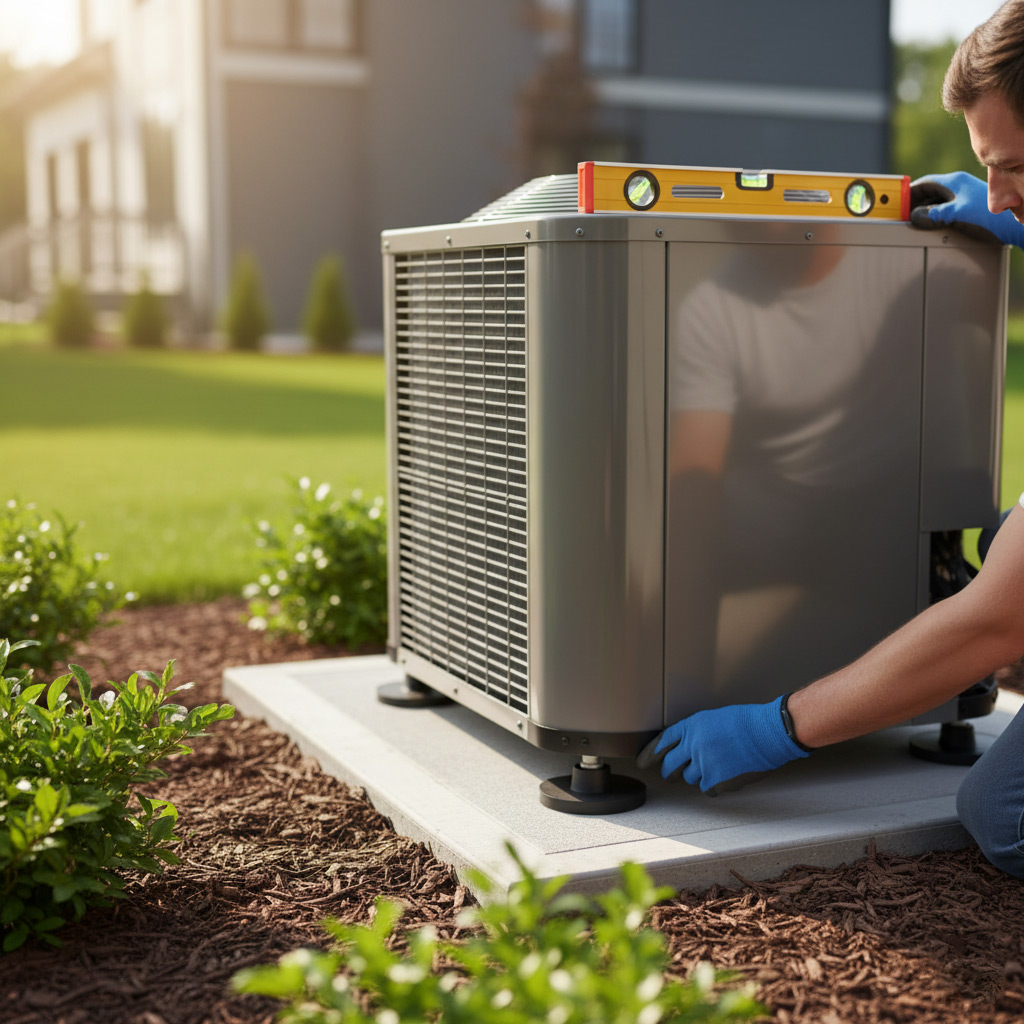
North Las Vegas heat swings from scorching days to chilly nights, and your furnace isn’t a one‑size‑fits‑all machine. Swapping out a standard rubber gasket for a cheap, off‑brand version might seem harmless, but the desert’s temperature extremes will make that gasket crack faster than a sidewalk in July.
Why “any” part won’t do
Materials that work in a mild climate can melt, warp, or corrode under the desert’s UV glare and low humidity. Choosing the right heat‑resistant seal keeps the combustion chamber airtight and prevents dangerous gas leaks.
- High‑temperature silicone for seals – stays flexible up to 500°F.
- Stainless‑steel burners – resist rust from occasional desert rain.
- Aluminum heat exchangers with a protective coating – avoid premature cracking.
When you grab a “budget” part from a big‑box store, you’re often buying a component designed for a coastal, moist environment. In the desert, that part will fail sooner, and you’ll be paying for a second repair before the season’s even over.
Cost of the wrong choice
One cheap blower motor might save $30 now, but if it seizes in a cold snap, you could be looking at a $1,200 furnace replacement. Investing in OEM (original equipment manufacturer) parts may cost a bit more upfront, but it’s the insurance policy that keeps your system humming.
Ask your HVAC tech to verify part numbers before any swap. A quick phone call can save you from a costly mis‑match that would otherwise turn a simple fix into a full‑blown emergency.
Skipping Professional Maintenance and Its Hidden Costs
Think you can dodge the annual service and still keep the furnace humming? In North Las Vegas that gamble usually ends with a busted heat exchanger and a bill that makes you wish you’d called a pro.
Why “Do‑It‑Yourself” Maintenance Falls Short
Most homeowners grab a screwdriver, wipe the filter, and call it a day. That’s only half the story. A certified technician checks the flame sensor, calibrates the gas pressure, and inspects the blower motor—tasks you can’t eyeball from the garage.
- Undetected cracks in the heat exchanger can lead to carbon monoxide leaks.
- Worn bearings cause the blower to overheat, shortening its lifespan.
- Improper gas pressure reduces efficiency, inflating your utility bill.
Skipping these steps means you’re paying for “future repairs” you never saw coming.
The Real Cost of Ignoring Maintenance
When a furnace fails in the middle of a desert night, emergency service rates skyrocket. One 2‑hour call‑out can cost $300‑$500, plus parts and labor.
Beyond the immediate expense, a neglected system runs 10‑15% less efficiently. That translates to higher energy bills—often $150 extra each winter—plus a shorter overall lifespan, forcing a premature replacement that can run $4,000‑$7,000.
Bottom line: a $150‑$200 annual tune‑up pays for itself many times over, keeping you warm and your wallet intact.
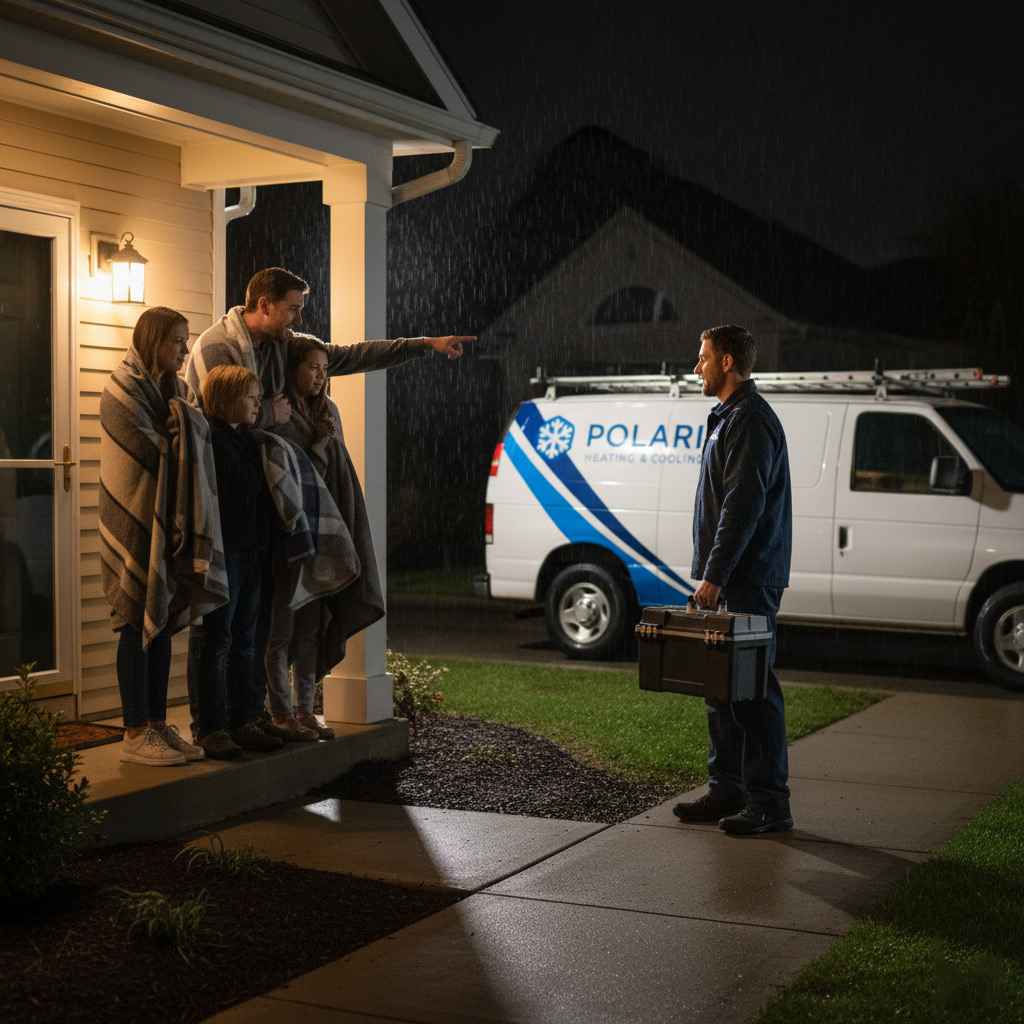
Overlooking Proper Furnace Sizing for North Las Vegas Homes
Why Size Matters
Too small a furnace will run nonstop, never reaching the thermostat set‑point, while an oversized unit blasts heat then shuts off, leaving your home cold‑spotty and your utility bill soaring.
Key fallout:
- Short‑cycling that wears out components faster.
- Inconsistent indoor temperature – hot in the kitchen, icy in the bedroom.
- Higher energy costs because the system never reaches efficient operating range.
How to Get It Right
Start with a Manual J load calculation – it’s the industry’s gold standard for measuring heating demand based on square footage, ceiling height, insulation, and windows.
In the desert, factor in night‑time temperature swings and occasional rain‑cooled breezes; they can add 5‑10 % to the required BTU rating.
Hire a licensed HVAC pro who knows North Las Vegas quirks. They’ll adjust the numbers for local micro‑climates and recommend a furnace that hits the sweet spot.
Quick Sizing Checklist
- Confirm square footage and room layout.
- Check insulation R‑values and seal any drafts.
- Account for high‑efficiency windows and doors.
- Ask the contractor for a written Manual J report.
- Verify the furnace’s AFUE rating meets Nevada’s energy code.
Case Study: How a North Las Vegas Family Avoided a $3,000 Repair with Timely Intervention
The Situation
When the Martinez family noticed a faint “whoosh” from their furnace on a chilly December night, they brushed it off as normal. Little did they know, that sound was the early warning of a cracked heat exchanger.
Instead of waiting for a full‑blown breakdown, they called a local HVAC pro within 48 hours. The technician ran a quick diagnostic and found a tiny crack that, if ignored, would have forced a complete furnace replacement.
The Action
Here’s what the technician did on the spot:
- Performed a pressure test to confirm the crack’s size.
- Replaced the compromised heat exchanger with a factory‑approved part designed for desert climates.
- Adjusted the blower motor to compensate for the slight airflow loss.
All of this took under two hours and cost the family roughly $350 in parts and labor.
The Result
Because the Martinez family acted fast, they avoided a $3,000 furnace replacement bill. Their system now runs 15 % more efficiently, shaving a few hundred dollars off their annual energy costs.
Plus, they gained peace of mind knowing their home stays warm during those sudden desert cold snaps—without the nightmare of an emergency call at 2 a.m.
Final Words
Here’s the deal: you don’t need a crystal ball to keep your furnace humming. Spot the signs early, use the right parts, and let a pro handle the heavy lifting. The payoff? Fewer emergency calls and a wallet that stays a little heavier.
Quick Wins Before the Next Chill
- Swap out the filter every 30 days – it’s cheap and cuts strain.
- Schedule a 90‑day check‑up with a certified North Las Vegas tech.
- Keep a spare thermostat on hand; a dead unit can freeze your budget.
Don’t let a minor glitch turn into a $3,000 nightmare. A little preventive care now saves you a mountain of hassle later.
Ready to skip the guesswork? Heating System Repair specialists in North Las Vegas are just a call away. Get the right fix the first time, and keep the desert cold at bay.
People Also Ask
What are common DIY heating repairs that end up costing more?
Many homeowners attempt to replace furnace filters, clean burners, or adjust thermostat settings themselves, but improper handling can damage components and lead to expensive service calls. In a desert climate, using the wrong cleaning agents or tools can corrode metal parts, increasing repair costs.Why should I address early warning signs of furnace problems right away?
Ignoring symptoms like unusual noises, uneven heating, or frequent cycling allows minor issues to become major failures, often requiring full system replacement. Prompt attention can prevent costly downtime during the winter months.Can using the wrong parts or materials affect my furnace’s performance in North Las Vegas?
Yes, parts not rated for high desert temperatures can warp or degrade quickly, reducing efficiency and lifespan. Always choose OEM or climate‑approved components to maintain optimal operation.What hidden costs arise from skipping professional furnace maintenance?
Skipping annual tune‑ups can lead to reduced efficiency, higher energy bills, and unnoticed wear that may cause unexpected breakdowns. Professional maintenance also includes safety checks that protect your home from carbon monoxide leaks.How does improper furnace sizing impact heating in North Las Vegas homes?
An undersized furnace struggles to heat the space, while an oversized unit cycles on and off, wasting energy and shortening component life. Proper sizing ensures consistent comfort and lower utility costs.
North Las Vegas HVAC brings over 15 years of certified expertise to homes and businesses throughout North Las Vegas. Their team combines industry‑leading training with a deep understanding of the local climate to deliver reliable heating and cooling solutions. Committed to responsive service, they prioritize comfort and efficiency for the community they serve.
Need HVAC?
We deliver rapid, results‑focused solutions that keep your home or business running smoothly in North Las Vegas (89030, 89031, 89032, 89081, 89084) and nearby areas. Our team prioritizes speed and quality so you can move forward without delay.
Request a fast quote