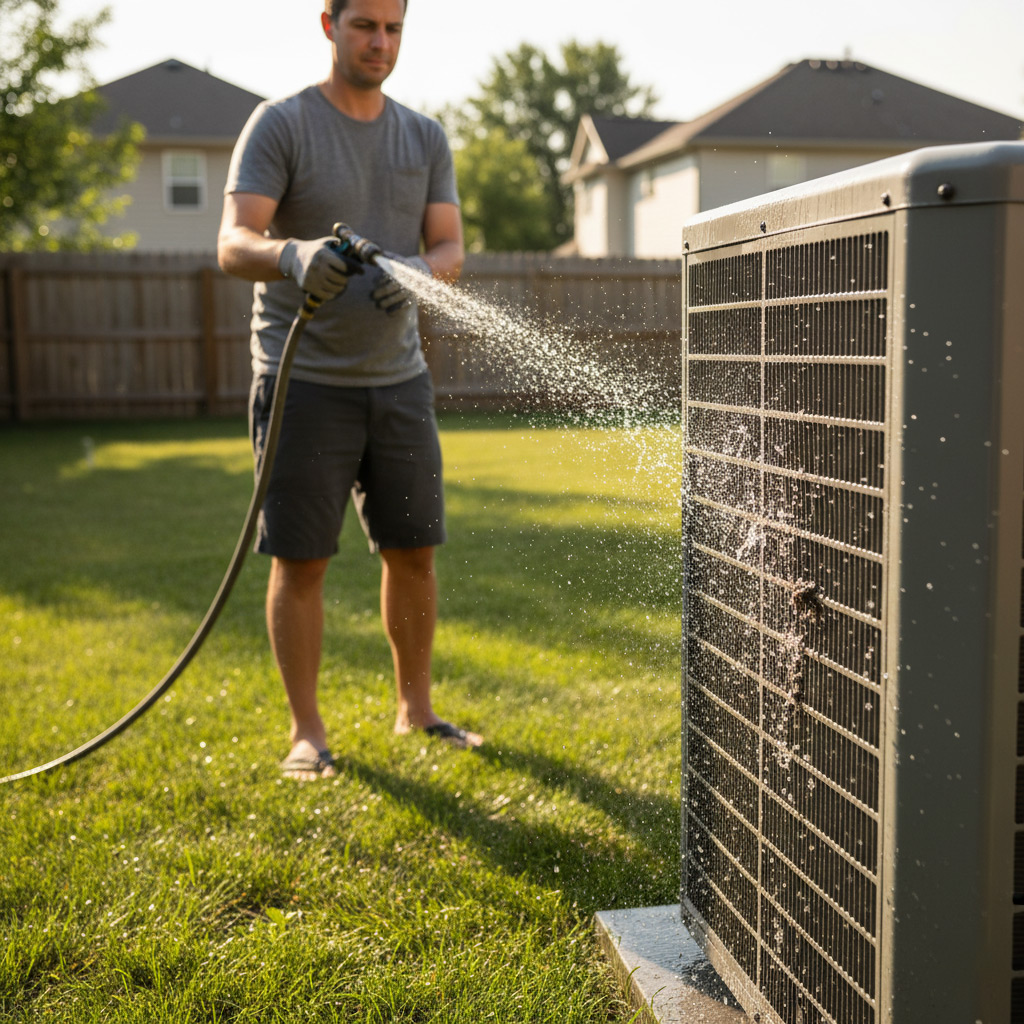
Picture this: your monthly power bill drops by a third, and you didn’t have to replace a single unit. That’s the kind of payoff North Las Vegas homeowners are seeing when they stop guessing and start designing their HVAC systems like a pro.
It’s not about pricey upgrades; it’s about clever tweaks—right‑sizing ducts, sealing leaks, and positioning thermostats where they actually feel the temperature. A few smart moves in the layout can keep the desert heat at bay while the meter stays low.
Ready to steal the secrets that keep the AC humming and the wallet happy? Keep reading and you’ll discover the exact hacks that turn your system into a money‑saving machine.
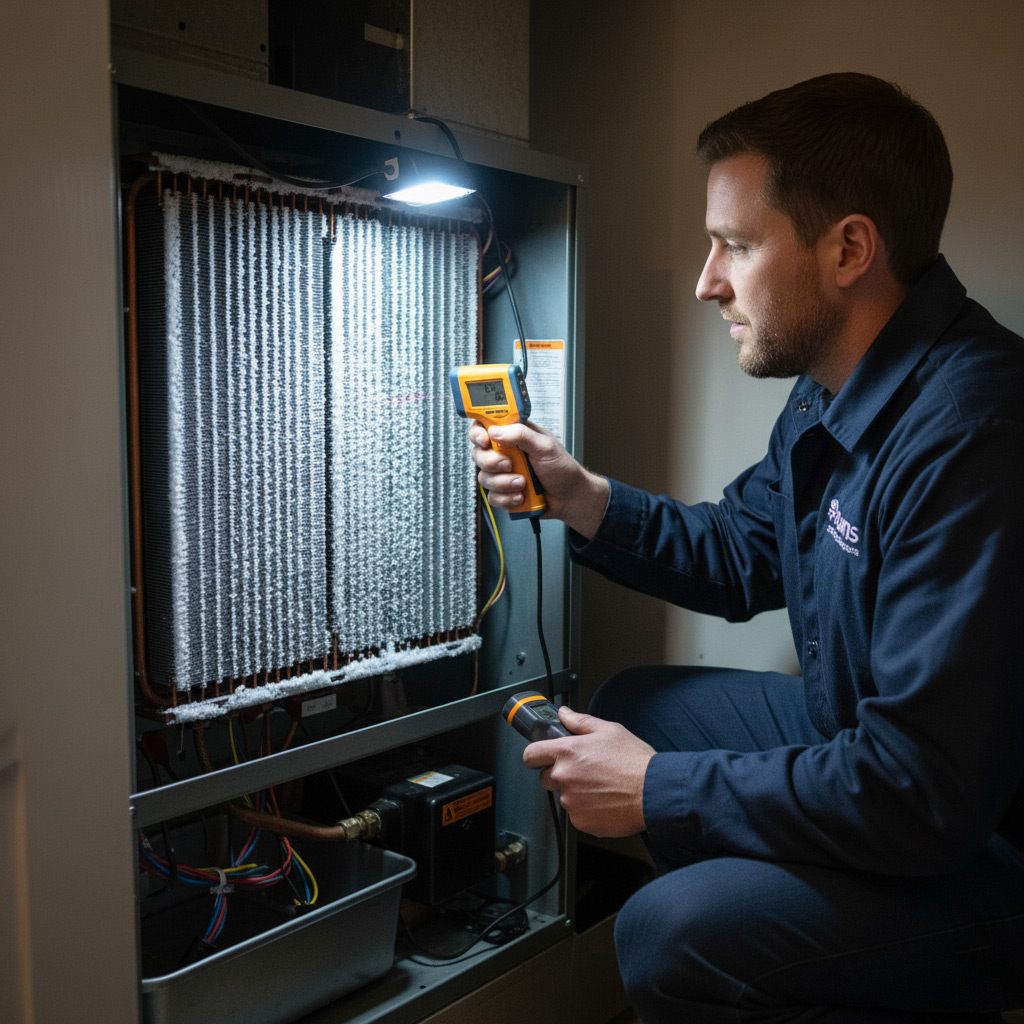
Assessing Your Home’s Cooling Load and System Capacity
Before you start swapping parts, you need to know how much heat your house actually throws at the AC. A proper cooling‑load calculation looks at square footage, ceiling height, sun‑exposed windows, and even the number of occupants. Getting these numbers right stops you from buying a unit that’s too big, which is the biggest money‑sucker in North Las Vegas.
Quick steps to nail your load estimate
- Measure each room’s square footage and note ceiling height.
- Count windows, note orientation (south‑facing windows add extra heat).
- Factor in insulation levels and any heat‑generating appliances.
- Use a simple online Manual J calculator or call a local pro for a precise read.
Once you have the BTU demand, match it to a system that delivers just enough power. Oversized units cycle on and off, wasting energy and wearing out components faster. Look for a unit whose SEER rating meets Nevada’s climate demands without overkill—usually a 14‑16 SEER model does the trick for most homes in the area.
Right‑Sizing Ductwork for Balanced Air Distribution
Why Size Matters
Too big a duct is a lazy pipe; it lets air wander, and your AC works harder to keep rooms cool. Too small a duct chokes flow, causing hot spots and noisy fans. Getting the size just right means every square foot of your North Las Vegas home gets the right amount of conditioned air, no waste.
How to Size It Right
Start with the cooling load you calculated in the first step. Then use the Manual D method or a reputable online calculator to match airflow (CFM) to duct dimensions. Remember: a 90‑degree turn adds resistance, so keep runs straight whenever possible.
- Round ducts lose less pressure than rectangular ones.
- Keep the total length under 400 feet for a typical single‑family home.
- Limit elbows to one per 50 feet of run.
Installation Tips That Save Money
Seal every joint with mastic, not cheap foil tape. Insulate the ducts in unconditioned spaces to stop the desert heat from sneaking in. Finally, balance the system with adjustable dampers—tweak them until each room feels the same.
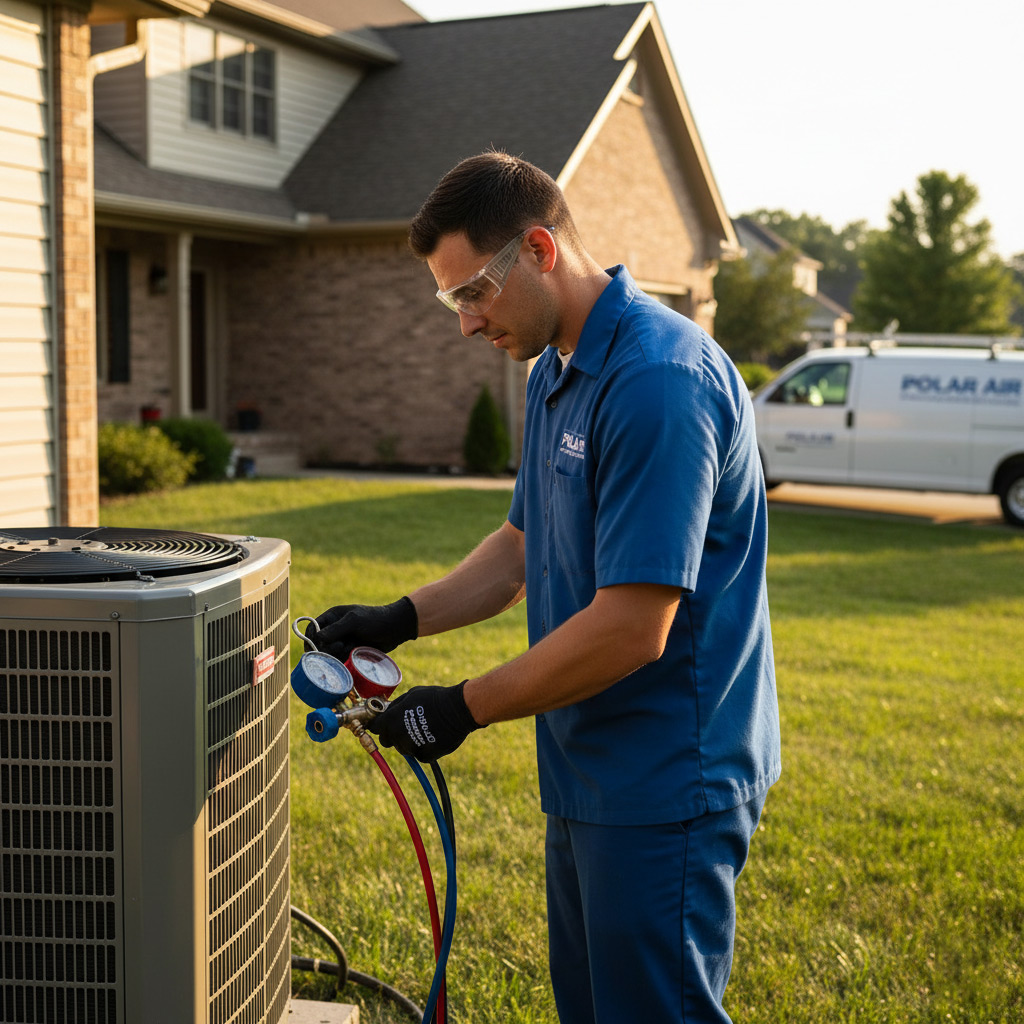
Sealing and Insulating Ducts to Eliminate Energy Leaks
Find the Leaks Before They Find Your Wallet
Most North Las Vegas homes have ducts that whisper air into the attic, the crawl space, or even the garage. Those whispers are money slipping through the cracks. A quick visual check—look for loose connections, ragged insulation, or condensation—will reveal the culprits.
Seal the Gaps, Save the Bucks
Grab a high‑quality foil‑backed duct tape or mastic and seal every joint you can see. Don’t trust cheap “duct tape” that melts in the desert heat. A snug seal keeps conditioned air where it belongs: inside your living space.
Wrap It Up, Keep It Cool
Insulating the duct run is the second half of the trick. Wrap the supply lines with R‑6 or higher insulation, and don’t forget the return side. Proper insulation stops the sun from turning your cool air into a lukewarm disappointment.
- Inspect: Look for gaps larger than a quarter‑inch.
- Seal: Use mastic or foil‑backed tape on all connections.
- Insulate: Apply R‑6+ wrap to every exposed duct.
- Test: Run the fan and feel for drafts around seams.
Strategic Thermostat Placement and Smart Control Integration
Where to Mount Your Thermostat
Put the thermostat on an interior wall, away from direct sunlight, drafts, and kitchen heat. Height matters—the sweet spot is about 5 feet from the floor, where the air is most stable. Don’t hide it behind a door or in a hallway that sees traffic spikes.
Smart Features That Pay Off
Modern Wi‑Fi thermostats learn your schedule, then fine‑tune the system without you lifting a finger. They talk to your phone, so you can crank the AC down before you step out of the car. Geofencing shuts off cooling the moment you’re out of the house, slashing wasted run‑time.
- Use multi‑zone control to keep bedrooms cooler at night while the living room stays moderate.
- Enable adaptive recovery so the unit starts early enough to hit your set temperature without overworking.
- Set temperature alerts—if the house spikes, you get a push notification and can act fast.

Implementing Zoning for Targeted Comfort and Efficiency
What is Zoning?
Think of your house as a set of rooms that each have their own temperature personality. Zoning lets you give each area its own thermostat so the living room can stay cool while the guest bedroom stays modest.
Why bother? You get:
- Lower bills because you’re not cooling empty space.
- Comfort exactly where you need it, when you need it.
- Less wear on the compressor, extending the unit’s life.
How to Set Up Zones
Start with a quick audit: identify rooms that are used often versus those that sit idle most of the day.
Next, install motorized dampers in the main duct trunk. These tiny gates open or close based on signals from the thermostats.
Finish with a dedicated thermostat for each zone. Pair a simple wall unit in the master bedroom with a wireless sensor in the den for a seamless experience.
Smart Controls Meet Zoning
Modern thermostats talk to your phone. Use that power to schedule zones around your daily rhythm.
Set the office zone to kick in at 8 a.m., then shut down at 6 p.m. Let the bedroom stay at a comfortable 72°F only when you’re actually sleeping.
Pro tip: enable “away mode” on all zones when you’re out. The system will drop to a safe standby temperature, slashing waste without you lifting a finger.
Case Study: How a North Las Vegas Home Cut Its Energy Bill by 35%
Background
When the Martinez family moved into their 2,200‑sq‑ft ranch, their first‑year electric bill hit $3,200. They weren’t buying a new furnace; they just had a system that was fighting the desert heat.
We started with a full load calculation, discovered the unit was 30% oversized, and the ductwork was a maze of dead‑ends.
What We Fixed
Three moves made the difference:
- Right‑sized the main supply ducts – trimmed excess length, added a few returns.
- Sealed every joint with mastic and foil tape – stopped air loss that cost $150 a month.
- Installed a smart thermostat in the living room and a second zone sensor in the master bedroom.
We also added a simple zoning valve, letting the bedroom stay cooler at night while the living area ran at a higher set point.
Results
After three months, the Martinez’s bill fell to $2,080 – a clean 35% drop. That’s $1,120 saved in one season.
Payback on the upgrades came in under six months, and the family now enjoys consistent comfort without hunting for the thermostat.
Final Words
Don’t let your HVAC sit idle after you’ve nailed the design. A quick annual check‑up catches the tiny issues that creep up when desert dust settles in your ducts.
Take Action Today
- Schedule a professional inspection before the summer rush.
- Swap out old filters for high‑MERV options; it’s a cheap win.
- Program your smart thermostat for “away” mode when you’re not home.
Need a deeper dive? Check our HVAC system design services.
People Also Ask
How do I determine the correct cooling load for my North Las Vegas home?
Calculate the cooling load using a Manual J assessment, which considers square footage, insulation levels, window orientation, and local climate data. A professional HVAC contractor can perform this analysis to ensure accurate sizing.Why is right‑sizing ductwork important for energy efficiency?
Properly sized ducts maintain balanced airflow, reducing the workload on the furnace or AC unit. Oversized or undersized ducts cause pressure loss, leading to higher energy consumption and uneven temperatures.What are the best methods for sealing and insulating ducts?
Use mastic sealant or UL‑listed foil tape to seal all joints, and wrap ducts with insulated duct board or reflective foil. Insulating ducts in unconditioned spaces prevents up to 30% of heat loss or gain.Can smart thermostats really lower my energy bills?
Yes, smart thermostats learn occupancy patterns and adjust temperature settings automatically, avoiding unnecessary heating or cooling. They also provide remote control and energy‑usage reports to help you fine‑tune settings.How does zoning improve HVAC efficiency in a single‑family home?
Zoning divides the home into separate areas with individual thermostats, allowing each zone to run only when needed. This targeted approach can cut overall HVAC run time and reduce energy costs by up to 20%.
North Las Vegas HVAC brings over 15 years of certified expertise to homes and businesses throughout North Las Vegas, NV. Their team of licensed technicians specializes in efficient heating, cooling, and indoor air quality solutions tailored to the local climate. Committed to reliable service and community-focused support, they ensure comfort year‑round for the North Las Vegas community.
Need HVAC?
We deliver rapid, results‑focused solutions that keep your home or business running smoothly in North Las Vegas (89030, 89031, 89032, 89081, 89084) and nearby areas. Our team prioritizes speed and quality so you can move forward without delay.
Request a fast quote