
Ever get the feeling that HVAC dealers are whispering a secret price tag while you’re left guessing?
In North Las Vegas, the desert heat and chilly desert nights make a reliable system non‑negotiable, but the sticker shock can feel like a surprise bill from a payday loan.
From the brand you pick to the hidden labor fees that creep in after the first estimate, every decision adds a layer to the final number—often more than you expect.
Stick around, and we’ll break down the real cost drivers, show you where the savings hide, and give you a clear roadmap to a replacement that won’t break the bank.
Understanding the Core Components That Influence HVAC Replacement Prices
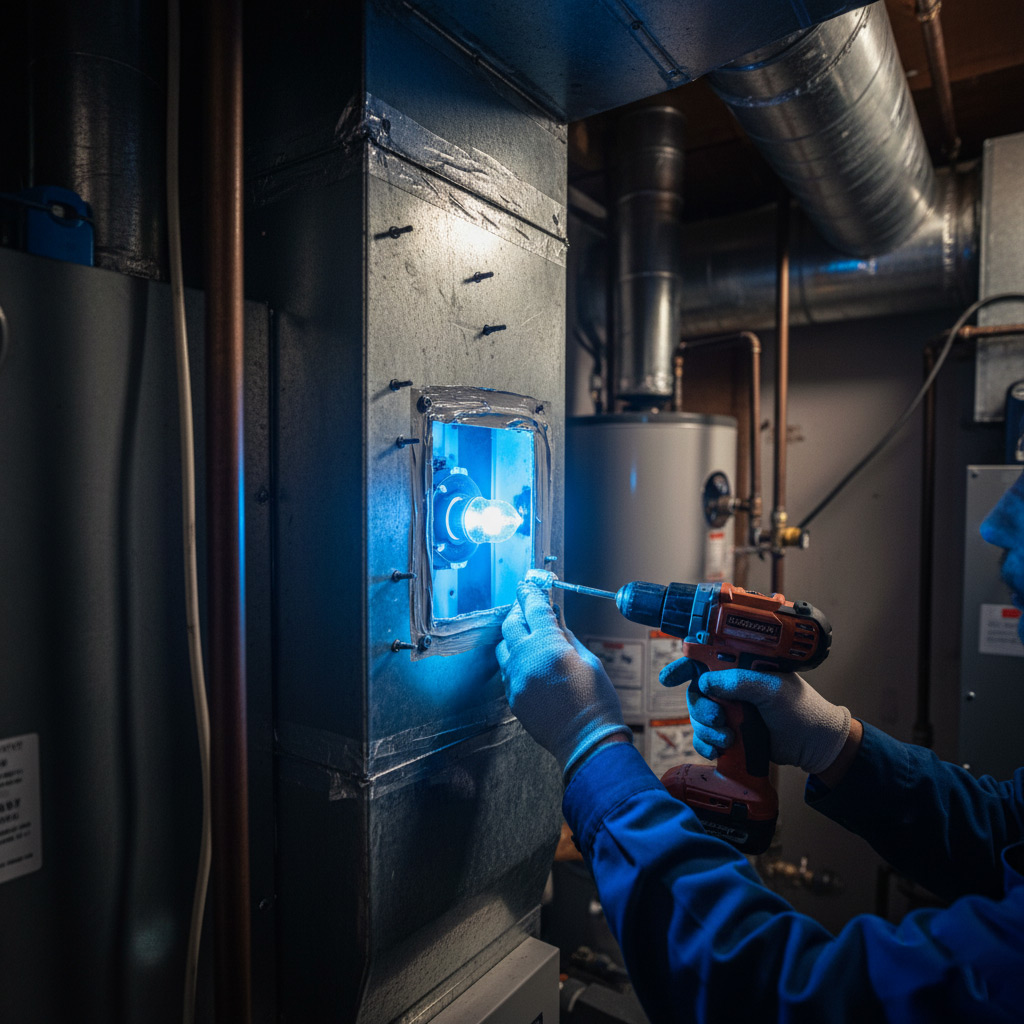
First thing you’ll notice is that the price tag isn’t just the unit itself. Capacity (measured in tons), SEER rating, and the type of system—split, packaged, or ductless—each add a distinct line item. A high‑efficiency 3‑ton unit will cost more upfront, but it can shave dozens of dollars off your monthly bill.
Next up is the installation side of the equation. The condition of your existing ductwork, the distance between the indoor coil and outdoor condenser, and any required retrofits (like a new thermostat) all drive labor costs. Even a simple relocation of the outdoor unit can add a few hundred dollars.
Key Cost Drivers
- Unit brand and warranty: Premium brands often include longer warranties, which can be worth the extra cash.
- Efficiency rating: Higher SEER numbers mean higher purchase price but lower energy spend.
- Custom sizing: Oversized or undersized units waste money and performance.
- Installation complexity: Tight spaces, multiple stories, or hard‑to‑reach rooftops raise labor rates.
- Additional components: Smart thermostats, air cleaners, and zoning kits are optional but add up.
How North Las Vegas Climate Impacts System Sizing and Cost
The desert climate isn’t just hot—it swings from scorching 110°F days to 40°F nights. That swing forces a system to work harder, which means you can’t skimp on capacity. Oversizing saves you money on the short‑term bill, but it burns cash on the long‑term because the unit cycles too often.
Seasonal Energy Efficiency Ratio (SEER) and Heating Seasonal Performance Factor (HSPF) become your best friends when the sun blazes all summer. A higher SEER unit will cost more upfront, but the desert’s relentless heat makes the energy savings add up fast. Think of it as buying a better‑priced ticket to a cooler ride.
Key Climate Drivers That Shape Your Quote
- Peak summer temperatures – dictate the cooling tonnage you’ll need.
- Night‑time temperature drop – influences the heating capacity and whether a heat pump can handle both.
- Low humidity – means you can opt for a system with a variable‑speed blower, which trims electricity use.
- Sun‑exposed walls and roofs – add to the load, often pushing the size up by 10‑15%.
Breaking Down the Hidden Fees: Labor, Permits, and Disposal Charges
Labor Costs That Sneak In
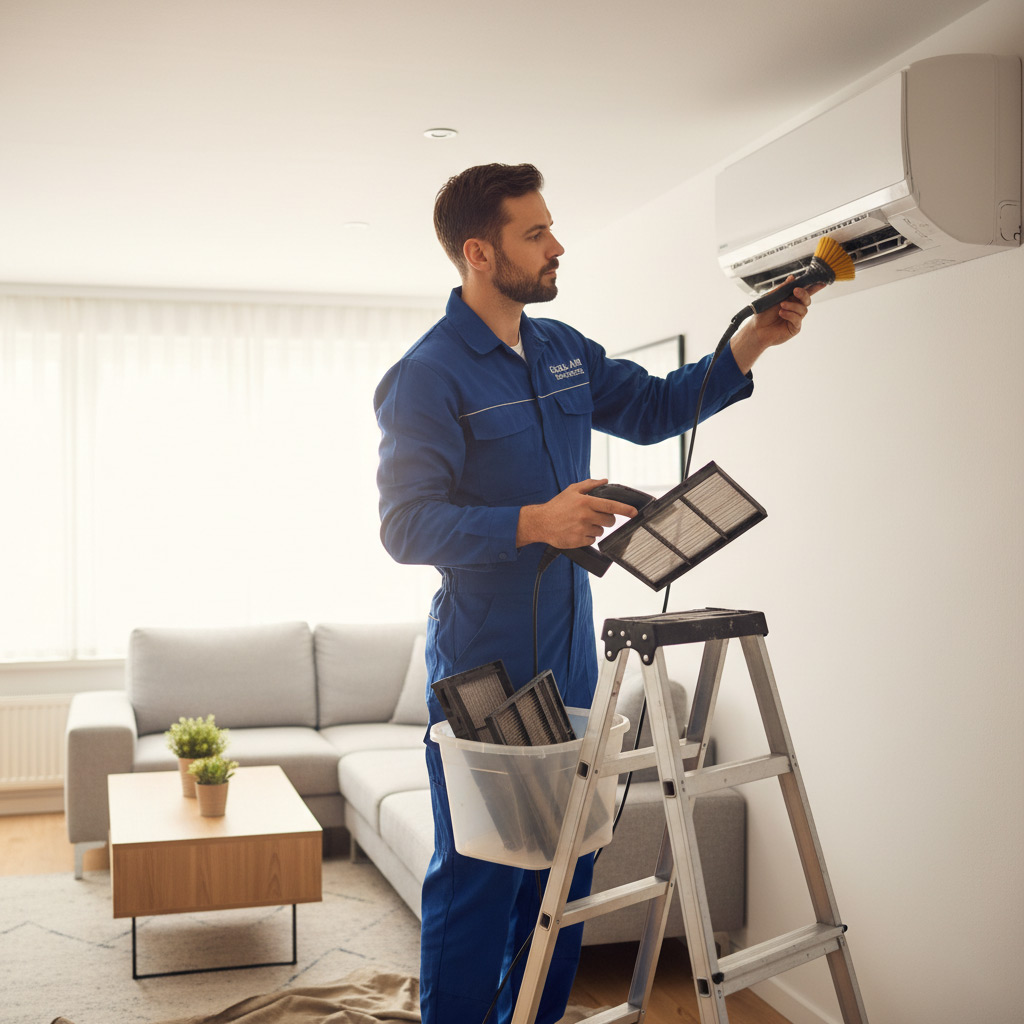
Most homeowners see the price of the new furnace and think the job’s done. The truth is that skilled technicians charge by the hour, and the clock starts the moment they step onto your property.
Typical labor rates in North Las Vegas range from $75 to $120 per hour. Add a few extra hours for:
- Removing the old unit
- Retrofitting ductwork
- Testing and calibrating the new system
Permit Fees – The State’s Little Surprise
Local building codes demand a permit for any HVAC replacement. It’s a small line item that can balloon if you’re not watching.
In Clark County, expect to pay:
- $50–$150 for a basic permit
- Additional $30–$70 if electrical upgrades are required
Skipping the permit isn’t an option—inspectors will shut the job down, and you’ll end up paying fines.
Disposal Charges – What Happens to Your Old Unit?
Old units don’t just vanish. Contractors must haul them to a certified recycling center, and that service carries a fee.
Most companies bundle disposal into the final bill, typically $100–$250 depending on the size and refrigerant type.
Comparing Brands and Models: What Gives You the Best Value for Money
Brand Reputation vs. Real‑World Performance
Big names like Trane, Carrier, and Lennox sound impressive, but reputation alone doesn’t guarantee lower bills. Look for independent efficiency scores and homeowner reviews that focus on energy savings and durability in desert climates.
Some lesser‑known brands punch above their weight when they pair a high SEER rating with a robust warranty. Those are the hidden gems that keep your wallet happy.
Feature Checklist That Saves You Money
Before you sign, run a quick audit. If a unit checks off most of these, you’re likely getting a solid deal:
- Variable‑speed blower – smoother temps, less cycling.
- Smart thermostat compatibility – fine‑tune usage without extra hardware.
- Advanced coil coating – resists dust, stays efficient longer.
- Low‑amp compressor – cuts electricity draw during peak hours.
Skip the fluff. If a model lacks two or more of these, ask why the price is still high.
Warranty & Service Network
A 10‑year parts warranty sounds great, but only if the dealer honors it locally. Verify that the service crew in North Las Vegas is certified for the brand you choose.
When the warranty backs up a local support team, you avoid costly service calls and enjoy peace of mind. That’s the real value you can’t see on the price tag.
Financing Options and Incentives Specific to Nevada Homeowners
When the price tag on a new HVAC system feels like a wall, smart financing can turn that wall into a door. North Las Vegas residents have a handful of low‑cost pathways that keep cash flow steady while the unit gets installed.
Low‑Interest Loans & Credit Lines
Many banks and credit unions in Nevada offer HVAC‑specific loans with rates under 5 %. The terms are usually 5‑7 years, which spreads the cost without ballooning interest. If you already have a good credit score, a home equity line of credit (HELOC) can be even cheaper.
- Local credit union loan – 4.2 % APR, 60‑month term.
- Bank “green” loan – 4.8 % APR, 48‑month term, includes a $200 rebate.
- HELOC – variable rate, often below 4 %, interest may be tax‑deductible.
State & Local Rebates
Nevada’s energy office runs a rebate program that rewards high‑efficiency units. The cash‑back check arrives within 30 days of proof of installation, cutting the out‑of‑pocket cost dramatically.
- NV Energy “Save‑More” rebate – up to $500 for ENERGY STAR models.
- Southern Nevada Water Authority incentive – $250 for systems that meet SEER ≥ 15.
- County “Cool Home” grant – $300 for low‑income households.
Federal Tax Credit
The 2024 federal tax credit still covers 30 % of the equipment cost, capped at $1,500. It applies to qualifying heat pumps and furnaces installed after January 1, 2024. Keep the invoice and the Manufacturer’s Certification; you’ll need them when you file.
Case Study: A North Las Vegas Family’s Journey to an Affordable, Efficient Replacement
Meet the Garcias
The Garcias bought their home in 2015 and lived with a 12‑year‑old furnace that sputtered every summer. When the unit finally gave out, they feared a six‑figure bill.
Instead, they teamed up with a local HVAC contractor who offered a transparent, step‑by‑step plan. The result? A brand‑new, ENERGY STAR‑rated system for **$7,200**—well under the regional average.
How They Cut the Cost
Three moves saved them hundreds:
- Audit first: A free home‑performance audit revealed poor insulation, so they sealed gaps before the install.
- Smart brand choice: They selected a mid‑tier Carrier model that matched their square footage without the premium markup.
- Leveraged the Nevada **Solar Tax Credit** and a 0% financing deal from the installer.
What They Learned
Timing mattered. Scheduling the replacement in early fall avoided peak‑season labor surcharges. The contractor also bundled the old unit’s disposal into the contract, eliminating a surprise $250 fee.
Today the Garcias enjoy a 30% drop in monthly energy bills and a system that’s expected to run smoothly for the next 15 years. Their story proves that with the right info, a quality HVAC swap in North Las Vegas doesn’t have to drain your wallet.
Final Thoughts: Making a Smart, Budget‑Friendly HVAC Replacement Decision
When the dust settles, the best replacement isn’t the cheapest tag—it’s the unit that pays for itself in comfort and lower bills. Focus on total cost of ownership, not just the upfront quote. That means looking at efficiency, warranty length, and how the system fits your home’s unique load.
Your Decision Checklist
- Size it right – an oversized unit spikes energy use; undersized leaves you sweating.
- Ask for a breakdown of labor, permits, and disposal fees before you sign.
- Compare SEER ratings; a 2‑point jump can shave 10‑15% off your annual bill.
- Check for Nevada rebates or tax credits – they can shave $500‑$1,000 off the price.
- Read the fine print on warranty coverage and service contracts.
Next Steps
Grab a few written estimates, line them up side‑by‑side, and watch the hidden costs disappear. If a contractor can’t give you a clear HVAC Replacement quote, walk away. The right partner will walk you through every line item, so you know exactly where your money goes.
People Also Ask
What factors most affect HVAC replacement costs in North Las Vegas?
The price is driven by system size, efficiency rating, brand, and the complexity of the installation. Local climate demands, labor rates, permits, and disposal fees also play significant roles.How does the North Las Vegas climate influence the size of a new HVAC system?
Hot summers and mild winters require a system with strong cooling capacity and adequate heating for occasional cold snaps. Proper sizing ensures efficiency and prevents costly over‑ or under‑performance.Are there hidden fees I should expect when replacing my HVAC unit?
Yes, beyond the equipment price, you’ll encounter labor charges, permit fees, and disposal costs for the old unit. Some contractors may also add fees for ductwork modifications or additional refrigerant.Which HVAC brands offer the best value for money in Nevada?
Brands like Trane, Carrier, and Lennox balance upfront cost with long‑term reliability and energy savings. Look for models with high SEER ratings and solid warranty coverage for the best return on investment.What financing options and incentives are available for Nevada homeowners?
Many local lenders provide low‑interest HVAC loans, and utility companies often offer rebates for high‑efficiency units. Additionally, federal tax credits may apply if the system meets ENERGY STAR® criteria.
North Las Vegas HVAC brings over 15 years of certified expertise to homes and businesses throughout North Las Vegas. Their team of licensed technicians delivers reliable heating, cooling, and indoor air quality solutions tailored to the local climate. Committed to prompt, professional service, they prioritize the comfort and safety of the community.
Need HVAC?
We deliver rapid, results‑focused solutions that keep your home or business running smoothly in North Las Vegas (89030, 89031, 89032, 89081, 89084) and nearby areas. Our team prioritizes speed and quality so you can move forward without delay.
Request a fast quote